

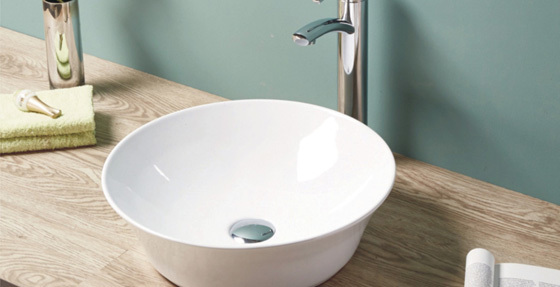



How to Properly Maintain and Clean Your Thin Edge Basin
Release time:
2023-12-31
Table of Contents: 1. Introduction 2. Why Proper Maintenance and Cleaning are Essential for Thin Edge Basins 3. Necessary Tools and Materials 4. Step-by-Step Guide to Cleaning Your Thin Edge Basin 4.1 Preparing the Basin 4.2 Cleaning the Basin 4.3 Removing Stains and Mineral Deposits 5. Regular Maintenance Tips 5.1 Daily Cleaning Routine 5.2 Weekly Maintenance 5.3 Monthly Deep Cl

1. Introduction
2. Why Proper Maintenance and Cleaning are Essential for Thin Edge Basins
3. Necessary Tools and Materials
4. Step-by-Step Guide to Cleaning Your Thin Edge Basin
4.1 Preparing the Basin
4.2 Cleaning the Basin
4.3 Removing Stains and Mineral Deposits
5. Regular Maintenance Tips
5.1 Daily Cleaning Routine
5.2 Weekly Maintenance
5.3 Monthly Deep Cleaning
6. Avoiding Common Mistakes
7. FAQs
7.1 How often should I clean my thin edge basin?
7.2 Can I use abrasive cleaners on my basin?
7.3 What should I do if my basin develops scratches?
7.4 How do I remove limescale buildup?
7.5 Can I use vinegar to clean my thin edge basin?
8. Conclusion
Introduction
Maintaining a clean and well-maintained thin edge basin is essential not only for its aesthetic appeal but also for its longevity. Regular cleaning and proper maintenance will help prevent the buildup of stains, mineral deposits, and other unsightly issues. In this article, we will guide you through the steps to effectively clean and maintain your thin edge basin, ensuring it remains in pristine condition.
Why Proper Maintenance and Cleaning are Essential for Thin Edge Basins
Thin edge basins, with their elegant and minimalist design, require extra care and attention to preserve their beauty. Regular cleaning helps prevent the accumulation of dirt, soap scum, and hard water deposits, which can cause permanent damage to the basin's surface if left unaddressed. By maintaining and cleaning your thin edge basin correctly, you can extend its lifespan and keep it looking brand new.
Necessary Tools and Materials
Before you begin cleaning your thin edge basin, gather the following tools and materials:
- Soft microfiber cloth
- Non-abrasive sponge or brush
- Mild liquid soap or dishwashing detergent
- White vinegar or lemon juice
- Baking soda
- Plastic scraper or soft plastic spatula
- Soft bristle toothbrush
- Rubber gloves
Step-by-Step Guide to Cleaning Your Thin Edge Basin
4.1 Preparing the Basin
Before cleaning your thin edge basin, remove any items resting on its surface and clear the area around it. This will ensure you have ample space to work and prevent any accidental spills or damage to nearby objects. Put on your rubber gloves to protect your hands during the cleaning process.
4.2 Cleaning the Basin
1. Wet the soft microfiber cloth with warm water and squeeze out the excess moisture.
2. Apply a small amount of mild liquid soap or dishwashing detergent to the cloth and gently wipe the entire surface of the basin, including the edges and corners. Avoid using abrasive cleaners, as they can scratch the basin.
3. Pay special attention to areas that come into contact with soap, such as the soap dispenser and toothbrush holder. Use a soft bristle toothbrush to remove any residue or buildup in these areas.
4. Rinse the cloth thoroughly and wipe down the basin again to remove any soap residue.
5. Dry the basin with a clean, dry microfiber cloth to prevent water spots or streaks.
4.3 Removing Stains and Mineral Deposits
If your thin edge basin has stubborn stains or mineral deposits, follow these steps to remove them effectively:
1. Sprinkle baking soda onto a damp cloth and gently scrub the stained areas. Baking soda is a mild abrasive that can help lift stains without scratching the basin.
2. For tougher stains, make a paste using baking soda and a small amount of water. Apply the paste to the stained areas and let it sit for a few minutes before scrubbing with a non-abrasive sponge or brush.
3. If the stain persists, dampen a cloth with white vinegar or lemon juice and gently rub the affected area. These natural acidic cleaners can help dissolve mineral deposits and stubborn stains.
4. Rinse the basin thoroughly with water to remove any residue from the cleaning products.
5. Dry the basin with a clean microfiber cloth to prevent water spots.
Regular Maintenance Tips
5.1 Daily Cleaning Routine
Incorporate the following daily cleaning habits to keep your thin edge basin looking clean and fresh:
- Wipe down the basin surface after each use with a soft microfiber cloth to remove any residue or water spots.
- Avoid using abrasive sponges or brushes, as they can cause scratches.
- Promptly clean up any spills to prevent stains or damage to the basin's surface.
5.2 Weekly Maintenance
In addition to daily cleaning, perform the following weekly maintenance tasks to keep your thin edge basin in optimal condition:
- Clean the basin's drain stopper or grid to remove any hair or debris.
- Inspect the basin for any signs of leaks or cracks. If detected, address the issue promptly to prevent further damage.
5.3 Monthly Deep Cleaning
Once a month, dedicate some time to thoroughly deep clean your thin edge basin to remove any stubborn stains or mineral deposits. Follow the steps outlined in section 4.3 to effectively tackle any buildup and restore the basin's shine.
Avoiding Common Mistakes
To ensure you maintain and clean your thin edge basin effectively, avoid the following common mistakes:
- Using abrasive cleaners or scrubbing pads, as they can scratch the basin's surface.
- Allowing water or cleaning products to sit on the basin for extended periods, as this can cause staining or damage.
- Neglecting to rinse the basin thoroughly after cleaning, as residue can lead to buildup over time.
FAQs
7.1 How often should I clean my thin edge basin?
It is recommended to clean your thin edge basin at least once a week as part of your regular maintenance routine. However, daily wiping and prompt cleanup of spills will help prevent the accumulation of dirt and stains.
7.2 Can I use abrasive cleaners on my basin?
No, abrasive cleaners should be avoided as they can scratch the surface of your thin edge basin. Stick to mild liquid soap or dishwashing detergent for regular cleaning, and use baking soda or white vinegar for tougher stains.
7.3 What should I do if my basin develops scratches?
If your thin edge basin develops small scratches, you can try using a non-abrasive toothpaste or a specialized acrylic or porcelain repair kit to buff out the scratches. For deeper scratches or damage, it is advisable to consult a professional.
7.4 How do I remove limescale buildup?
To remove limescale buildup, a mixture of equal parts white vinegar and water can be applied to the affected areas. Let it sit for a few minutes, then scrub gently with a non-abrasive sponge or brush. Rinse thoroughly and dry.
7.5 Can I use vinegar to clean my thin edge basin?
Yes, white vinegar is a safe and effective natural cleaner for thin edge basins. However, it is important to dilute it with water and avoid using it on marble surfaces, as the acidity of vinegar can cause damage.
Conclusion
Regular maintenance and proper cleaning are crucial for preserving the appearance and functionality of your thin edge basin. By following the steps and tips outlined in this article, you can ensure your basin remains spotless, hygienic, and in excellent condition for years to come. Remember to use gentle cleaning agents, avoid abrasive tools, and establish a regular cleaning routine to keep your thin edge basin looking its best.
Related news
CONTACT US
Address: Deng Tang Zhen San Xiang Dong Liao Cun, Chao'an District, Chaozhou City, Guangdong Province
Address: No.14, Changmeiguayuan Road, Fengxi, Chaozhou, Guangdong
Sanxiang Branch Phone: 86-0768-6822162
Sanxiang Branch Fax: 86-0768-6822163