




The Essential Guide to Choosing the Perfect Wash Hand Basins for Bathrooms
Release time:
2024-10-04
When it comes to bathroom design, one of the most significant elements is the wash hand basin. These fixtures are not only functional but also contribute substantially to the overall aesthetic of a space. Understanding the various types, materials, and styles of wash hand basins is essential for professionals looking to create beautiful and efficient bathrooms. Firstly, the type of wash hand basin

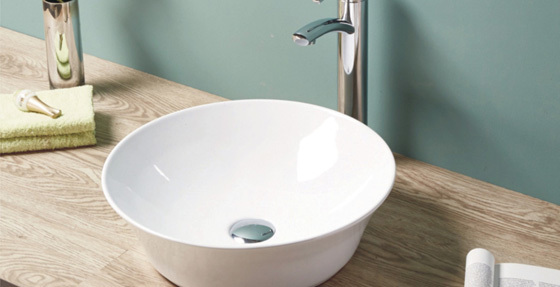
Firstly, the type of wash hand basin can greatly influence the bathroom's design. Common types include pedestal basins, wall-mounted basins, and countertop basins. Pedestal basins are traditional fixtures that provide a classic look and conceal plumbing, making them ideal for design-conscious spaces. Wall-mounted basins save floor space and offer a modern, minimalist approach, while countertop basins provide versatility and can be paired with a variety of surfaces, allowing for customized designs.
Material selection is another critical aspect. Wash hand basins are available in numerous materials, such as ceramic, glass, stone, and composite materials. Each material has its unique benefits. For instance, ceramic is durable and easy to clean, making it a popular choice for high-traffic bathrooms. Glass basins, on the other hand, can add a touch of elegance and sophistication but may require more maintenance to keep them looking pristine. Stone basins provide a natural aesthetic and are highly durable, though they often come with a higher price tag.
In addition to type and material, size and shape are essential considerations. The dimensions of the basin must be suitable for the available space and should consider the overall scale of the bathroom. For smaller bathrooms, compact basins can maximize functionality without overwhelming the space. Conversely, larger bathrooms can accommodate more expansive basins that serve as focal points.
When selecting wash hand basins, it’s also essential to consider the plumbing configurations. Ensure that the chosen basin aligns with existing plumbing or plan for necessary adjustments. Additionally, think about the faucet style and height, as these elements contribute significantly to the basin's functionality and user experience.
Moreover, aesthetics play a vital role in the selection process. The wash hand basin should complement the overall design theme of the bathroom—whether modern, traditional, or eclectic. Color, finish, and details such as sink shapes will influence the visual impact of the space.
In conclusion, selecting the right wash hand basins for bathrooms involves a careful balance of styles, materials, and practical considerations. By understanding the diverse options available and how they fit into the overall design, professionals can enhance both the functionality and beauty of bathroom spaces, ensuring they meet the needs and preferences of their clients.
Related news
CONTACT US
Address: Deng Tang Zhen San Xiang Dong Liao Cun, Chao'an District, Chaozhou City, Guangdong Province
Address: No.14, Changmeiguayuan Road, Fengxi, Chaozhou, Guangdong
Sanxiang Branch Phone: 86-0768-6822162
Sanxiang Branch Fax: 86-0768-6822163