


The Innovative Appeal of Thin Edge Basins in Modern Bathroom Design
Release time:
2024-10-30
In recent years, the bathroom design landscape has evolved significantly, with a growing emphasis on minimalism and contemporary aesthetics. One standout feature that has garnered attention is the thin edge basin. These basins are characterized by their sleek, streamlined profiles, which offer a modern touch to bathroom spaces. In this article, we will delve into the advantages, materials, and des

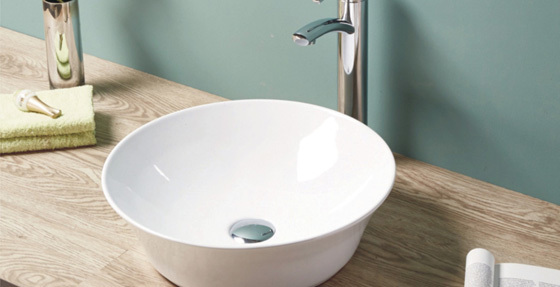
Thin edge basins are designed with a minimalist aesthetic in mind, allowing them to blend seamlessly into various bathroom styles. The reduced thickness of the edges not only contributes to a sophisticated look but also creates an illusion of space, making them particularly suitable for smaller bathrooms. This can be a significant selling point for homeowners looking to maximize their available space without compromising on style.
Another key benefit of thin edge basins is their versatility in material selection. These basins can be crafted from a range of materials, including ceramic, stone, and glass, each offering unique aesthetic qualities and durability. For example, ceramic thin edge basins are often favored for their easy maintenance and resistance to stains, while stone options can provide a luxurious, natural appeal. Understanding the properties of different materials is essential for industry professionals to guide clients in making informed choices that suit their design preferences and lifestyle needs.
In terms of installation, thin edge basins offer flexibility. They can be mounted on countertops or wall-mounted, depending on the layout and design of the bathroom. This adaptability allows for creative freedom in bathroom design, enabling professionals to propose custom solutions that meet the specific requirements of their clients.
Furthermore, the integration of thin edge basins into bathroom design can also enhance the overall user experience. Their contemporary look can elevate the ambiance of the space, while practical considerations, such as ease of cleaning and accessibility, contribute to a more functional environment. These basins often feature smooth surfaces and rounded edges, which not only enhance safety but also simplify maintenance routines.
When considering thin edge basins for your next project, it’s essential to visualize how these elements can infuse modernity into traditional bathroom layouts. As the trend towards minimalism continues to rise, incorporating thin edge basins can be a strategic choice that appeals to clients seeking both style and practicality.
In conclusion, thin edge basins represent a forward-thinking solution in bathroom design, combining aesthetics, versatility, and functionality. By understanding their advantages and applications, professionals can effectively recommend these innovative fixtures to enhance the appeal and usability of contemporary bathroom spaces.
Related news
CONTACT US
Address: Deng Tang Zhen San Xiang Dong Liao Cun, Chao'an District, Chaozhou City, Guangdong Province
Address: No.14, Changmeiguayuan Road, Fengxi, Chaozhou, Guangdong
Sanxiang Branch Phone: 86-0768-6822162
Sanxiang Branch Fax: 86-0768-6822163