



Exploring the Essentials of Art Basins in Modern Bathroom Design
Release time:
2024-11-05
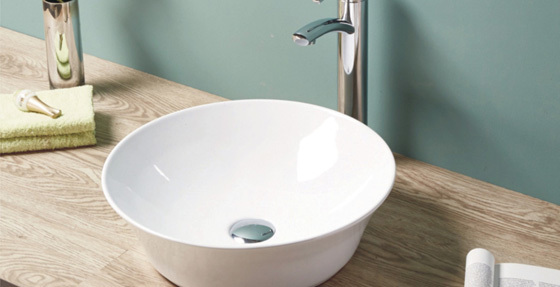
Art basins, often regarded as a centerpiece in modern bathroom design, blend functionality with artistic expression. These unique washbasins are not just utilitarian fixtures; they are statements that can elevate the overall ambiance of a bathroom. Unlike traditional basins, art basins come in various shapes, sizes, and finishes, allowing architects and designers to create a tailored experience th

One of the defining features of art basins is their variety in design. From sleek, minimalist forms to ornate, sculptural pieces, art basins cater to diverse aesthetic preferences. Materials used in crafting these basins range from ceramics and glass to stone and metal, each offering distinct advantages in terms of durability, maintenance, and appearance. For instance, ceramic basins are renowned for their ease of cleaning and resistance to stains, while stone basins can add a touch of luxury and natural beauty.
When selecting an art basin, it's crucial to consider the bathroom's overall design theme and the basin's compatibility with other fixtures. For instance, a contemporary bathroom may benefit from a geometric-shaped basin in a glossy finish, while a rustic-themed space might be better complemented by a handcrafted stone basin. Additionally, the installation type—whether wall-mounted, countertop, or pedestal—will influence the visual outcome and spatial dynamics of the bathroom.
Another important aspect of art basins is their functionality. While they are often celebrated for their visual appeal, it's essential to ensure that they also serve their primary purpose effectively. This involves paying attention to the size and depth of the basin, ensuring that it provides sufficient space for washing while fitting within the overall dimensions of the bathroom. Moreover, the choice of faucet and plumbing fixtures should harmonize with the basin’s design, creating a cohesive look.
Sustainability is also a growing concern in the choice of bathroom fixtures. Many modern art basins are designed with eco-friendly materials and production processes, appealing to environmentally conscious consumers. This trend not only benefits the planet but also enhances the marketability of projects for professionals in the architecture and design field.
In conclusion, art basins represent a fusion of art and utility in the realm of bathroom design. By understanding their various elements—design, material, functionality, and sustainability—professionals can make informed choices that enhance their projects while satisfying client preferences. As the bathroom continues to evolve as a personal sanctuary, art basins will undoubtedly remain a key player in defining contemporary aesthetics and functionality.
Related news
CONTACT US
Address: Deng Tang Zhen San Xiang Dong Liao Cun, Chao'an District, Chaozhou City, Guangdong Province
Address: No.14, Changmeiguayuan Road, Fengxi, Chaozhou, Guangdong
Sanxiang Branch Phone: 86-0768-6822162
Sanxiang Branch Fax: 86-0768-6822163